Cold Snap Diagnostics: What Your Floor Is Telling You as the Frost Arrives

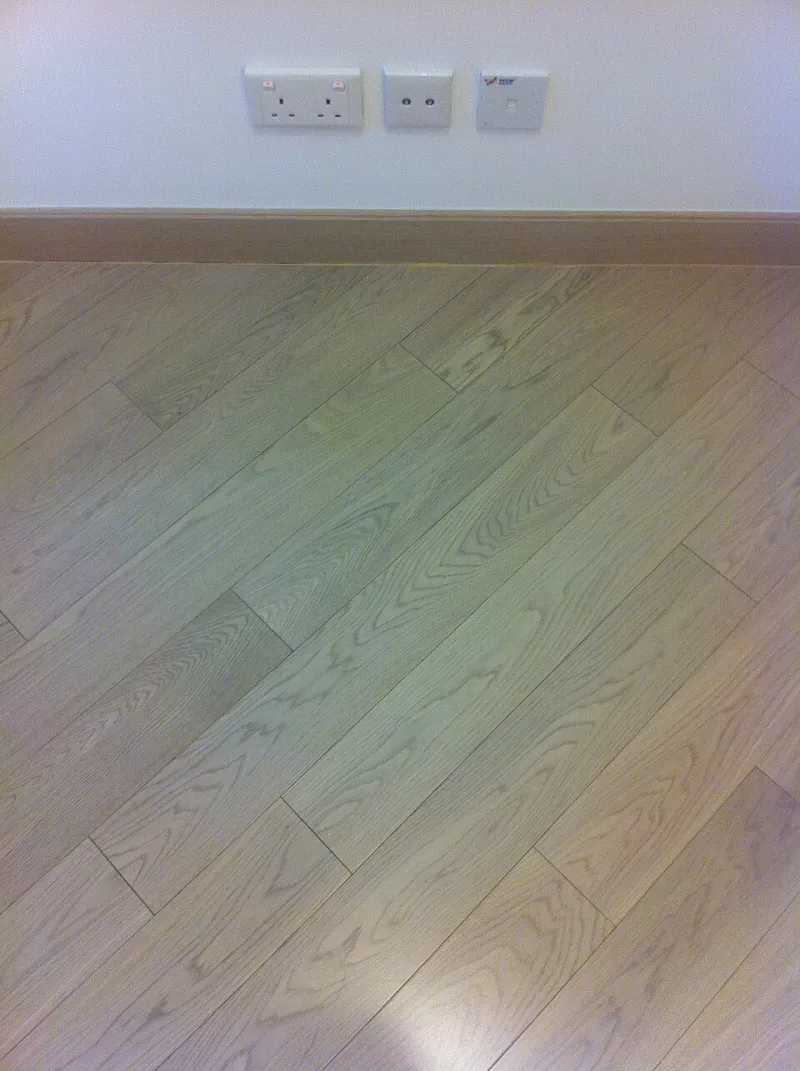
Photo: engineered oak floorboards gapping near radiator winter UK home, via static.where-e.com
The first hard frost of the season has a way of finding every weak point in a house. Doors stick, gutters overflow and floors start making noises they did not make in September. As November 2026 settles into proper cold, it is worth walking around with a critical eye — not to panic, but to diagnose.
Most of what appears in the first cold snap is not a material failure. It is movement, moisture or installation detail being exposed by a change in temperature and humidity. The useful question is not “is my floor broken?” but “what is this symptom telling me?”
Gaps that open up between boards
If your engineered oak or laminate suddenly has thin dark lines between boards, you are probably seeing seasonal shrinkage. When the heating goes on and the air dries out, timber loses moisture and contracts. Small, even gaps are normal. Gaps that are wide, localised or appeared after a leak are worth investigating.
Check the indoor humidity. A hygrometer is cheap and takes the guesswork out of it. Many UK homes swing too dry in winter, especially with radiators blasting and windows shut. Aim for a sensible middle ground rather than a tropical rainforest. Do not rush to fill seasonal gaps — they may close again in spring. Do check for leaks near radiators, under sinks and around external doors.
Cupping and crowning
Cupping is when the edges of a board sit higher than the centre, giving the floor a rippled feel. Crowning is the opposite. Both point to a moisture imbalance, not a bad batch of timber. Cupping often means moisture is getting in from below or sitting on top. Crowning can follow a previous cupping issue or a floor that has been sanded while damp.
Look for the source before you look for a repair. Is there a leak under the dishwasher? Is a radiator valve weeping? Is the subfloor dry? Has a doormat been trapping water against the floor? In a commercial space, check cleaning methods — a mop that leaves standing water is not doing the floor any favours.
Squeaks and new movement
A squeak is rarely a sign that the floor is about to collapse. It is usually movement between boards, underlay, battens or joists. Cold, dry air can make timber shrink slightly and open up tiny gaps where things rub. A floor that was quiet in summer may become vocal in winter.
If the squeak is in one spot, note whether it is near a doorway, a radiator or a join. If it is across the whole room, consider humidity and underlay. In older UK homes with suspended timber floors, airbricks and ventilation matter. Blocking them to keep the cold out can trap damp underneath, which is a much bigger problem than a squeak.
Tile tenting
Tile tenting is the dramatic one. Tiles lift or sound hollow at the joints, sometimes quite suddenly. It happens when the tiled surface expands but has nowhere to go, so the pressure releases upwards. Common causes include missing perimeter expansion gaps, rigid adhesive over a moving substrate, or a sudden temperature change.
This is an installation detail issue more often than a tile quality issue. If you hear hollow tapping or see a tile lifting, keep people off it and get it looked at. Do not ignore it until a tile cracks. In commercial kitchens, entrance areas and conservatories, tile movement joints should have been specified from the start.
Condensation at cold bridges
Cold bridges are the spots where cold from outside travels through the building fabric. You might see condensation on tiles near an external wall, under a window or around a poorly insulated door threshold. It can look like the floor is sweating, but the floor is often just the coldest surface in the room.
This is a ventilation and insulation conversation, not a flooring failure. Check extractor fans, trickle vents and airbricks. Make sure the floor is not being blamed for a draughty door or a missing wall insulation detail. In commercial spaces, cold storage areas and loading bays often show the same pattern.
What to check now, before the frost gets serious
- Buy or borrow a hygrometer and note the indoor humidity.
- Walk the floor barefoot and listen for new hollow spots or squeaks.
- Look for gaps, cupping and water marks near external doors and radiators.
- Check under sinks, around appliances and near any previous leaks.
- Clear gutters and check external drainage so water is not heading towards the threshold.
- Keep airbricks and subfloor vents open.
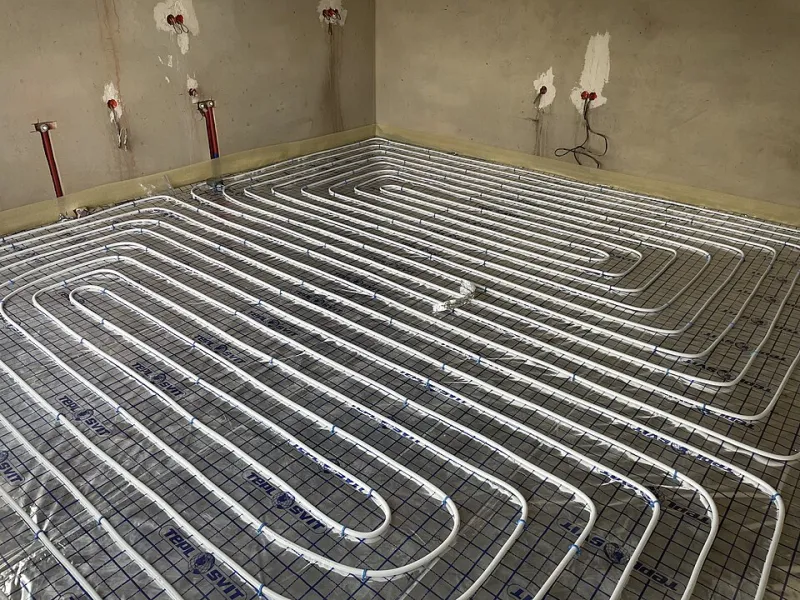
- If you have underfloor heating, bring it up to temperature gradually rather than cranking it on a timer.
- For commercial spaces, review entrance matting and cleaning routines before the wet winter traffic arrives.
The reassuring bit
Most cold-snap symptoms are manageable if they are caught early. Seasonal gapping is usually cosmetic. Cupping needs a moisture source found, not a new floor. Squeaks can often be quietened. Tile tenting and persistent condensation deserve proper attention, but they are diagnostic puzzles rather than automatic replacements.
Take photos, note where the issue is and when it appeared, and call your fitter with that information. A good installer will want to know what changed — heating, weather, a leak, a new pet, a new cleaner — because that is often the clue. The floor is not usually failing on its own. It is telling you something about the building around it.