The November Window: Why Smart Homeowners Book Their Floors Before the Christmas Crush
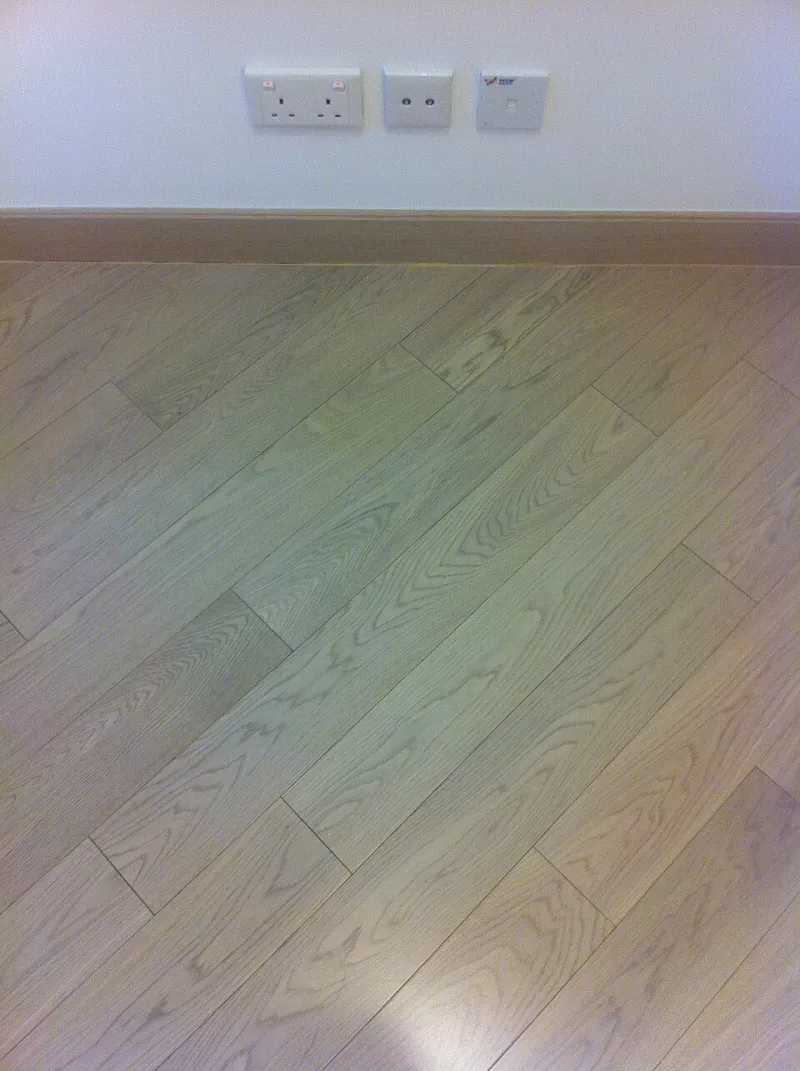
Photo: Keithmenorm, CC BY-SA 3.0, via Wikimedia Commons
Every November, we get the same call. Someone wants a hallway and living room done before Christmas, and they are only starting to think about it now. The good news: they are not too late. In fact, they have landed on one of the smartest windows in the flooring calendar.
The spring rush isn't the only option
Ask most homeowners when to book a floor and they will say spring. It sounds sensible — better weather, longer days, a fresh start. But spring is also when every fitter, joiner and flooring contractor in the country is chasing the same jobs. Lead times stretch, diaries fill, and the job that felt straightforward in February can drift into May.
November is different. The summer rush is over, the pre-Christmas panic has not quite peaked, and installers have breathing room. That means more choice of dates, more time for a proper site survey, and a better chance of getting the same fitter who will actually be on site rather than a subcontractor squeezed in between three other jobs. For a domestic job — a hallway, a living room, a single bedroom — that breathing room is worth more than most people realise.
Why boards behave better in late autumn
Solid timber and engineered boards are living materials. They expand and contract with moisture in the air, and they need time to settle into the room before they are fixed down. November gives you a useful buffer. The central heating is on, but not yet running flat out; the air is cool and relatively stable; and the worst of the winter dry-out is still a few weeks away.
That matters because December is when humidity often drops sharply indoors. If you install a board on a warm, dry December day and the heating then cycles hard for a fortnight, you can end up with gapping, cupping or a floor that simply never quite settles. Late autumn acclimatisation is gentler. The boards have time to reach equilibrium with the room, and you are not fighting the driest air of the year.
The scheduling maths (and why December is a trap)
Here is the bit most people underestimate: a new floor is rarely just a case of ordering boards and turning up. There is a sequence, and each step has a clock attached.
Lead times for popular engineered boards can run from two to four weeks, sometimes longer for a specific finish or a wide plank. Subfloor preparation — levelling, repairing, grinding, priming — needs its own window. If you have a new screed, it may need up to 28 days to cure before any adhesive or moisture-sensitive floor goes near it. Adhesives need time to cure, often 24 to 48 hours before furniture goes back. And if the subfloor is uneven, that is another day or two you cannot skip.
That is why December is a trap. It is not impossible, but the margin for error disappears. A late-November booking gives you room to absorb a delayed delivery, a damp patch that needs attention, or a screed that is not quite ready. A mid-December booking gives you none of that. If one thing slips, the whole job slips past Christmas.
A realistic timeline to be floored by Christmas
If you want a hallway or living room finished before the festive season, here is a sensible timeline.
Now to mid-November: book a site survey. Get the subfloor checked, measure properly, and confirm access. Ask about moisture readings and whether any prep is needed.
Mid to late November: place the order. Confirm the lead time in writing, and book the installation dates at the same time — not after the boards arrive.
Late November to early December: acclimatise the boards in the room where they will be fitted, following the manufacturer's guidance. Keep the heating steady and avoid draughty or damp conditions.
Early to mid-December: subfloor prep and installation. Allow a clear day or two for adhesive curing before heavy furniture goes back.
Mid-December: snagging, skirting, beading and a final clean. Then you can actually enjoy the room.
What to ask before you book
A good contractor will not just quote a price. They will ask about the subfloor, the heating, the humidity, and how the room is used. They will tell you what could go wrong and what it would cost to put right. And they will be honest about whether your Christmas deadline is realistic.
November is not magic. It will not fix a rotten subfloor or make a four-week lead time disappear. But it is a quieter, steadier month than most people give it credit for. If you are thinking about a new floor before Christmas, the smartest move is to start the conversation now — while there is still enough runway to do it properly.